-
Title
-
DAVIS, Neil Brian 1934–1985
-
Description
-
World renowned combat cameraman and war correspondent, Neil Davis, grew up in Sorell in the 1940s and 50s.
-
Neil's life and work has been expertly documented by colleagues Tim Bowden AM and David Brill AM as well as film maker David Bradbury. Tim Bowden's research materials on Neil Davis are in the Australian War Memorial collection.
-
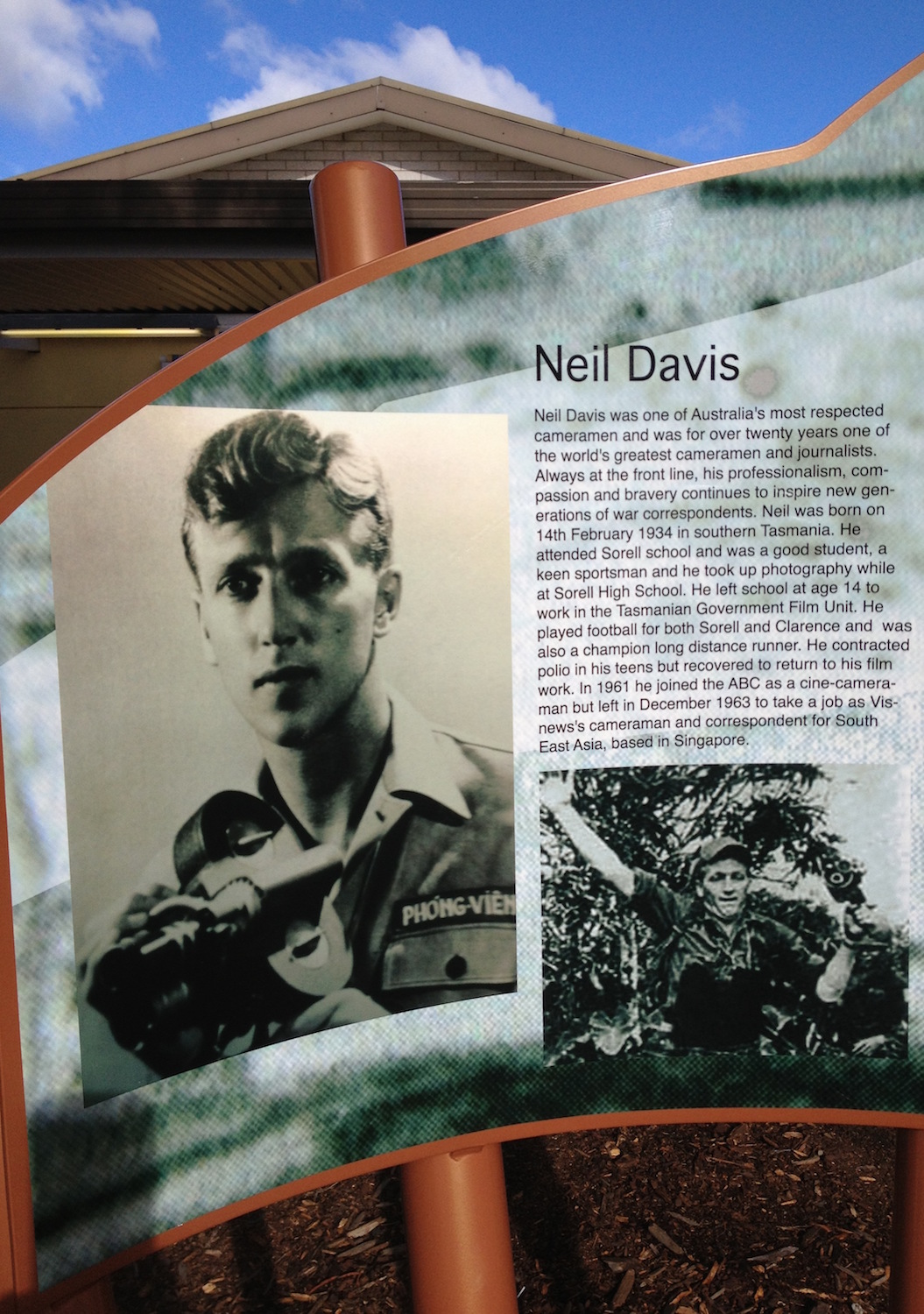
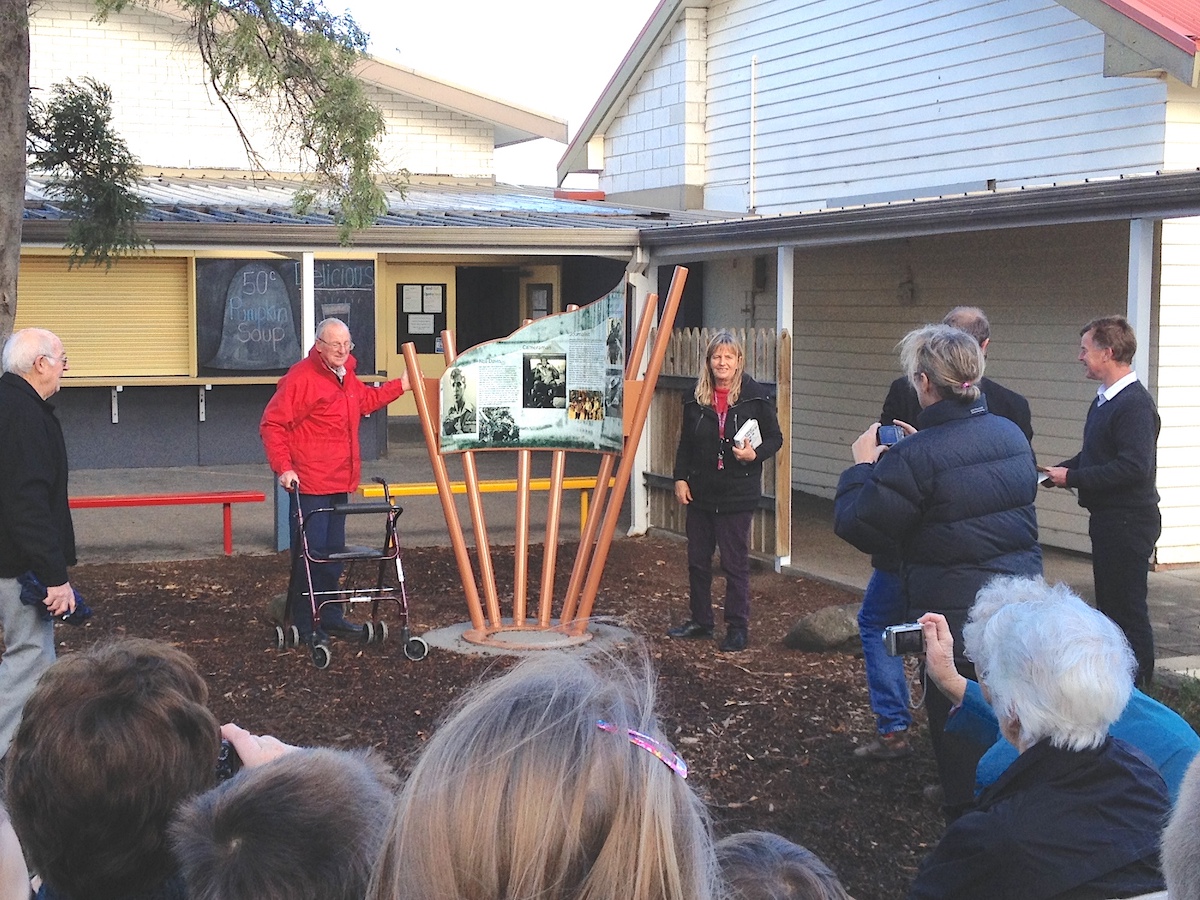
At Sorell School, Davis House and annual students awards are named in his honour and in 2013 a specially designed memorial sculpture was installed in the school grounds. There is a memorial plinth at Neil Davis Place in Sorell where murals by local artists depict iconic scenes from his life. In 2025 Sorell Council added the Davis family to the commemorative panels around St Georges Cemetery.
-
Biographical text
-
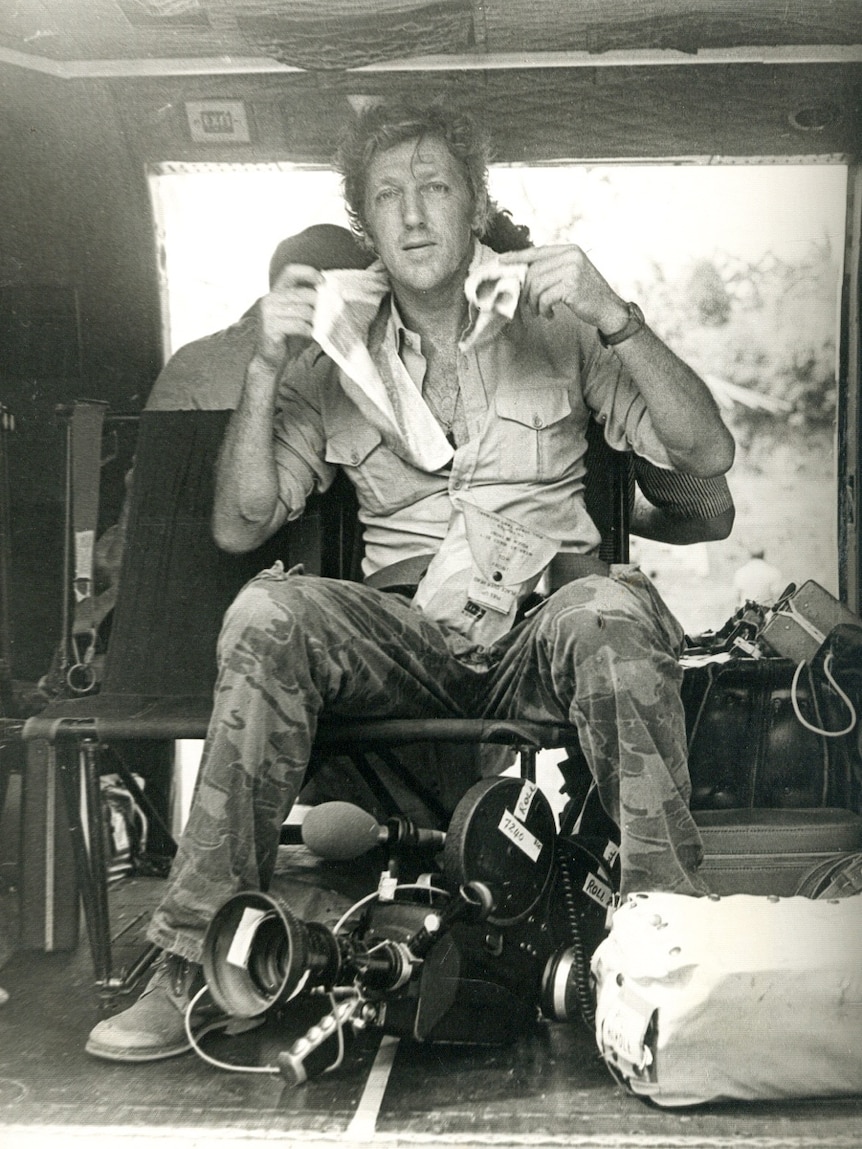
Neil Davis was a combat cameraman and war correspondent of world renown who famously wrote inside each of his work diaries: 'One crowded hour of glorious life is worth an age without a name.'
Born in 1934, Neil was the youngest of four children born to Marjorie and & Geoffrey Davis.
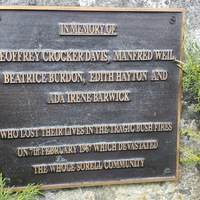
Marjorie Elaine New DAVIS was born in 1904 at Meadsfield, Bothwell and died at Sorell in 1944 when Neil was a schoolboy. Neil's eldest brother Geoffrey died in 1947, just 20 years old. His father Geoffery Crocker DAVIS, born in 1906 at Sorell, was a farmer who was tragically killed at Penna on 7 February 1967 fighting the catastrophic bushfires approaching Sorell.
Raised on farms at Nala and Sorell, Neil attended Sorell School and Hobart High. As a teenager Neil played football for Sorell and Clarence and was a champion long distance runner. In 1952, shortly after completing National Service, he contracted polio but through determination and exercise he recovered in just 4 months.
At 15 Neil joined the Tasmanian Government Film Unit, later the ABC and from 1964 became a war correspondent famous for his daring solo coverage of the Vietnam War and other conflicts around the world.
On 30 April 1975 Neil's footage of tanks breaking down the gates of the presidential palace in Saigon famously captured the final day of the Vietnam War. Often risking his life to portray the human tragedy of war and wounded many times, Neil was killed by tank fire shrapnel on 9 September 1985 while filming a coup in Bangkok.
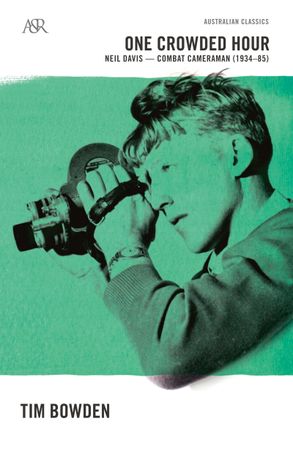
Neil's courageous life is featured in David Bradbury's 1979 film 'Frontline', in the Tim Bowden biography 'One Crowded Hour' (1987) and the 2021 play of the same name by Terence O'Connell.
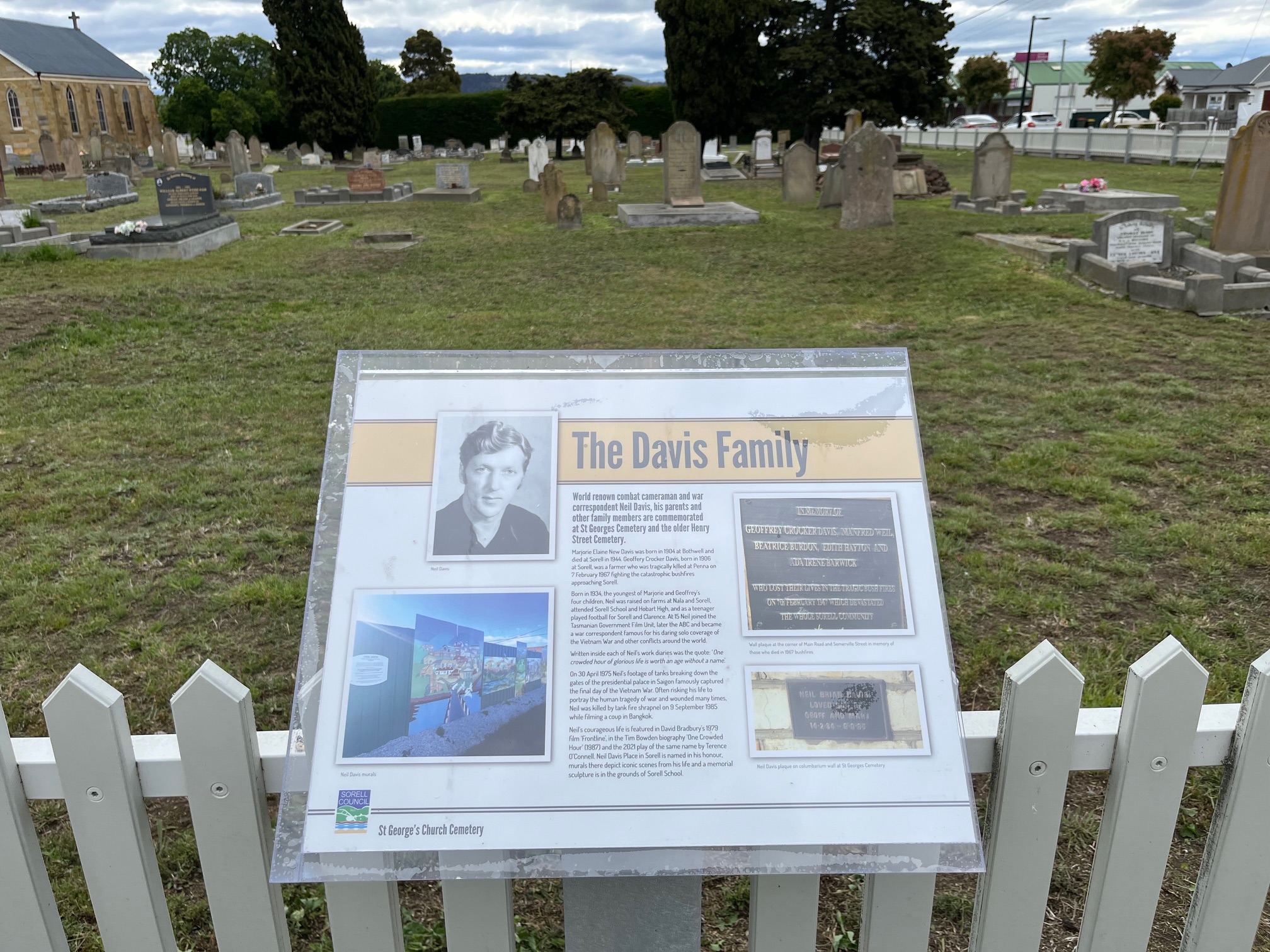
Neil Davis, his parents and other family members are commemorated at St Georges Cemetery and the older Henry St Cemetery at Sorell.
Neil Davis Place in Sorell is named in his honour and murals there by local artists depict iconic scenes from his life. In 2013 Moya Sharpe and others arranged for a specially designed memorial sculpture to be installed in the grounds of Sorell School. In 2025 Sorell Council added the Davis family to the commemorative panels around St Georges Cemetery.
-
Tim BOWDEN: "...cool, utterly dedicated professionalism made Neil Davis one of the world’s greatest cinecameramen and journalists. For over twenty years, from the early 1960s, Davis brought enduring images of the full horror of modern war directly from the battlefront to the world's television screens."
-
David BRILL: Australians at War Film Archive, UNSW – David Brill (Brillo) interview 9 December 2003, excerpts from archive #1296:
Tape 1:
My name is David Brill. I’m from Tasmania, which I’m very proud of. Quite a lot of interesting people come out of Tasmania. Neil Davis [war cameraman and correspondent] and a few others; [Tim] Bowden, Christopher Koch, who wrote Living Dangerously, Highways to War. Did you ever see that book, “Highways to War”? It’s a book about partly my life and Neil’s life. It’s won the Miles Franklin award...
Tape 3:
Neil was the first cameraman the ABC employed in Tasmania, first staff cameraman. I was quite a few years younger than Neil. Neil was working at the ABC when I was still studying photography in Brian Curtis and Associates, the still photographers.
...the ABC used to have a hotel you could go and have a drink at near the ABC studios in Hobart and I’d always be in there, so you’d always meet these wonderful characters. And, not that I was close to Neil then, but then Neil went to, then once Neil was appointed to work for Vis News, based in Singapore, then the person who was below him, Peter Donnelly, went into his position and then somewhere there I came in, but Neil had already gone. Not knowing Neil well, but Neil always wanted to use small cameras, he started off with a government film unit where they used to do, you know, big features and, oh, small features but all 35 mm movie picture stuff.
But he always loved little cameras, little compared to the big ones you use... He liked the Rolleiflex and the little Arriflex SL, SR and the Bell & Howell. He was ... was a real true newsman; I suppose you could call Neil. You know, he was a fine all round journalist and camera work and story telling. But mainly news was his forte, but I think mine was current affairs documentaries, that was my main interest and that’s the area I sort of spent most of the time. And I don’t mind covering news, international news is fine, but I’m not going to, I did my share of filming pot plants and shows and all those, ribbons being cut on various things.
And so then Neil used to come back every year, he had a very good friend, Johnny Wright, he was a cameraman at the ABC, Neil got in there, he was working at the film unit. So I listened to, go and had a drink, listened to Neil, had a meal with them and I just got intrigued with what he was saying about Asia. This is 1965/66. And I used to listen and I learned a lot and I thought, “This is definitely the way I want to go”. But years later, a very dear friend of mine at the time, we were very close, Dean Semmler [cinematographer], was on This Day Tonight and I was on Four Corners, so I thought I was more superior. Then he left and went to work with Film Australia, this was going back, I said, “You’re going backwards, going there.” and then when he won the Academy Award, what was it called? Wolves? Dances With Wolves, I thought “Touché.” but looking back on it, I was still, the way I went was, this sort of stuff, with Neil Davis, the real sort of photojournalism or whatever. ...I think looking back on it, I learned so much just observing him and then... all the time I was quizzing him about what was going on in Asia.
He had a tremendous style about him too, Neil, he was a real foreign correspondent in the true sense, and ... he was a great learner, but he knew, one thing, even some of the finest journalists in Asia, people like Sydney Schoenberg of the New York Times who won a Pulitzer Prize for The Killing Fields, that film basically based on his life, they’d go to Neil for advice, they’d ask Neil, “What’s going on, what’s happening?”
I remember once when Willesee and Sloss and I went to Vietnam, we’d always go and catch up with Neil. We’d go to a bar or a restaurant in Saigon, during the war it was a fantastic place, Saigon, great setting, and all happening there. And we’d ask Neil, you know, because we’d go in, he’s living there, we had to do these stories in three or four weeks, two weeks, so Neil put us onto people. And one person he put us onto was a general called Thieu Quan Tri, who was in charge of Saigon/Cambodian region. A three star general trained at WestPoint, baseball cap, big cigar, shiny boots, the whole American thing, brilliant man. We were going into Cambodia with him one day into a battle, we met him at the airport and he said, this is a very powerful general, he said “If you’re a friend of Mr Davis’s, you’re a friend of mine, please come on my helicopter”. So that’s the respect Neil had. And I knew this about him, just something, Mike Willesee got up once and said at the Logies [Australian television awards], I think he said this, that Neil Davis was the greatest correspondent in South East Asia; a big compliment from another very fine journalist, Mike. And so that’s the sort of guy he was. So every time we went to Vietnam or in Asia or whatever, I’d always watched and I always learnt so much from how he operated, not operated a camera, operated as a correspondent, and that’s what made a great influence on my life, still to this day.
And a real role model, not an artificial role model; somebody who I observed at close quarters. But also a very stylish bloke, I mean the Cambodian people loved him very much, he was a very gentle person and very much an Asian in some ways in his own right, a Buddhist, a thinker, incredibly intelligent but also very practical. He took a lot of his money to orphanages that people didn’t know about until he got killed. But, you know, he had, as an overall package, a great influence on me, starting from those early days in Tasmania. But not in the work,
his work, he believed, he liked hard news. Because of my time with Four Corners I realised you could do a lot more in Four Corners than you can do in news. You can tell a story better and you’ve got time and
you can develop it and you can hold shots and do proper sequences that will explain, tell what’s going on.
... it wasn’t just because he was a great communicator, a great war cameraman, obviously that was part of it, his stuff was just terrific. But it was more than that, it was the whole package, just the courtesy of the man, the, I mean the, you know the example I gave you of this general, “If you’re a friend of Mr Davis’s, you’re a friend of mine, please jump on my helicopter. I’ll take you into Cambodia.” I mean, that’s the sort of respect that the bloke had.
-
Family name
-
Davis
-
Given name
-
Neil Brian
-
Nickname
-
Tiny
-
Date of birth
-
February 14, 1934
-
Birthplace
-
Nala, Tasmania
-
Child of
-
Geoffrey Crocker DAVIS & Marjorie Elaine New DAVIS
-
Sibling of
-
DAVIS, Geoffrey (Jimmie) Herbert 1926–1947
DUNN/NEWITT Barbara Cecilia 1928–2015
DAVIS Darrel Allan 1929–2016
-
Gender
-
Male
-
Occupation
-
Combat cameraman and war correspondent
-
Member of
-
Sorell School
-
Sorell Football Club
Clarence Football Club
1948 Tasmanian Schoolboys Football (ruckman)
-
Spouse of
-
Chou Ping (Julie) Yen
(Married January 1977 in , separated 1980.)
-
Date of death
-
September 9, 1985
-
Contributor
-
Tim Bowden AM
-
David Bradbury
-
David Brill AM
-
Moya Sharpe
-
Carmel Torenius OAM
-
Helene Chung Martin
-
Source or reference
-
Tim Bowden blog – Neil Davis – One Crowded Hour
-
AUSTRALIAN WAR MEMORIAL – Neil Brian Davis
-
Photograph - Mt Wellington - Jack Thwaites with Billie Wiggins and Neil Davis at The Retreat Hut, 4 April 1968
-
Video of interviews with Neil and Julie Davis for In the eye of a storm by David Bradbury, 10 min 44 sec, 1978
-
Frontline documentary film by David Bradbury, 1979
-
NATIONAL FILM & SOUND ARCHIVE, 1979 clip from the film Frontline, features Neil Davis talking about his experiences as an Australian combat cameraman reporting on the Vietnam War, with graphic footage of an execution and education notes by Damien Parer
-
Obituaries Australia – Neil Brian DAVIS – from The Canberra Times, 10 Sept 1985
-
Papers of Neil Brian Davis, Australian War Memorial, PR00223, 1993 [documents, records and personal papers of cameraman/photojournalist Neil Brian Davis; information collected by Tim Bowden for the biography One Crowded Hour]
-
Inducted into ACS Hall of Fame – 1997
-
Australians at War Film Archive, UNSW, David Brill (Brillo),
interviewed 9th December 2003, Archive number 1296
-
AUSTRALIAN DICTIONARY OF BIOGRAPHY – Neil Brian Davis, 2007
-
7.30 Report, ABC TV Hobart – plans for a local museum to commemorate Neil Davis, 2012 [segments of Neil Davis footage; ABC interviews with siblings Darrel Davis and Barbara Dunn, colleague David Brill and Sorell Mayor Carmel Torenius]
-
Revered war cameraman Neil Davis remembered, Jane Ryan, ABC News, 9 September 2015
-
AUSTRALIAN MEDIA HALL OF FAME entry, 2017
-
Inductee video, Australian Media Hall of Fame, 4min 8sec, Nov 2018 (contains images of war and death)
-
'Cameraman Neil Davis’ historic 1st tank renumbered'
Pioneering foreign correspondent Helene Chung Martin champions Neil Davis's famous role filming the fall of Saigon in 1975.
-
Hobart borne Helene Chung first met Neil Davis as a teenager and Neil later supported her ground breaking career. A pioneer journalist, Helene broke racist and sexist barriers in 1974 to become the first non-white reporter on Australian television and, as Beijing correspondent 1983-86, the first female posted abroad by the Australian Broadcasting Corporation. This podcast of Helene's 12 May 2026 THRA 'A Tasmanian Life' presentation mentions of Neil Davis at 22 minutes onwards.
-
Helene Chung Martin's THRA presentation slides 12 May 2026, including Eileen Brooker c1952 painting of Helene and sister Lehene and c1951 drawing of Helene
 One Crowded Hour: Neil Davis Combat Cameraman 1934-1985
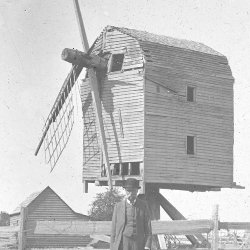
 DAVIS, Geoffrey Crocker 1906–1967
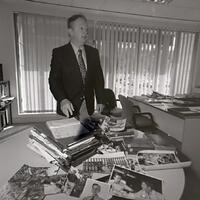 BOWDEN, Tim AM 1937–2024
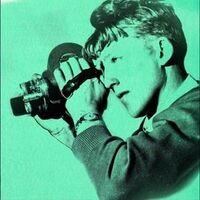 Six photographs of Neil Davis from Tim Bowden
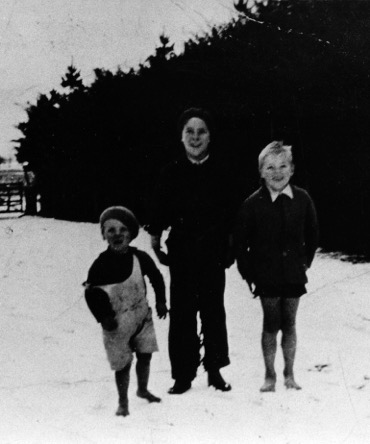
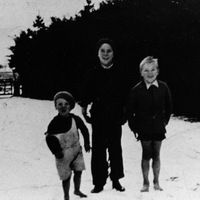 Neil 'Tiny' Davis (left) barefoot in the snow at Nala, with brothers Jim and Darrel [Tim Bowden collection]
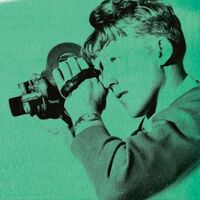 Neil Davis on the cover of 'One Crowded Hour' by Tim Bowden
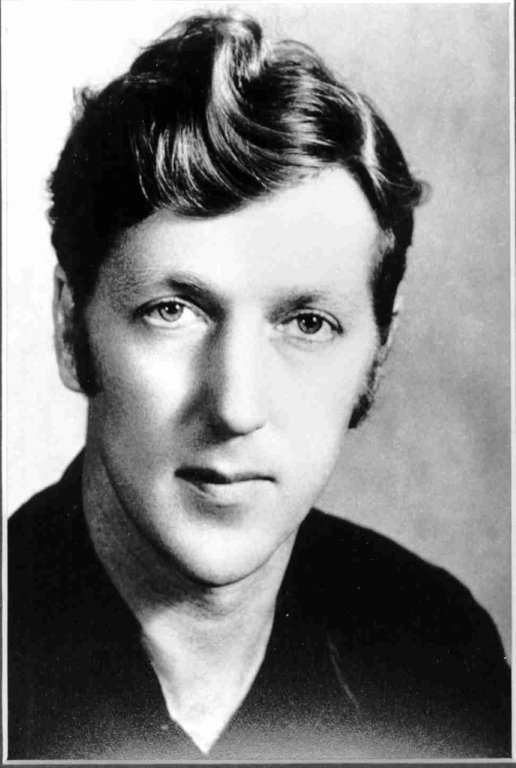
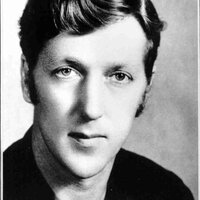 Neil Davis portrait 1976, Phnom Pehn, Cambodia [Australian War Memorial / Tim Bowden collection]
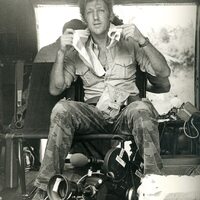 Iconic 1979 photo of Neil Davis taken in the Anambas Islands, Indonesia, while covering the plight of Vietnamese refugees
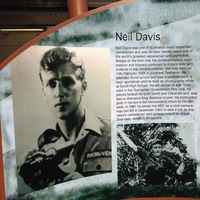 Neil Davis tribute sculpture, Sorell School 2013 [Melinda Reed]
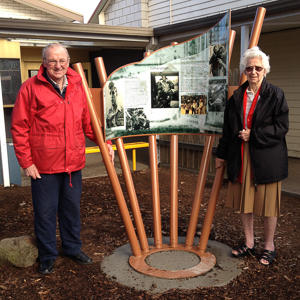
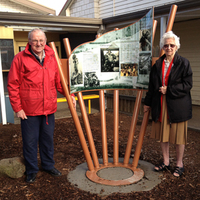 Darrel Davis & Barbara Dunn at Neil Davis tribute, Sorell School 2013 [Melinda Reed]
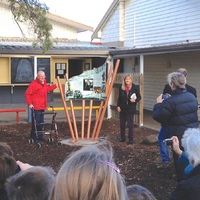 Darrel Davis & Moya Sharpe at Neil Davis tribute, Sorell School 2013 [Melinda Reed]
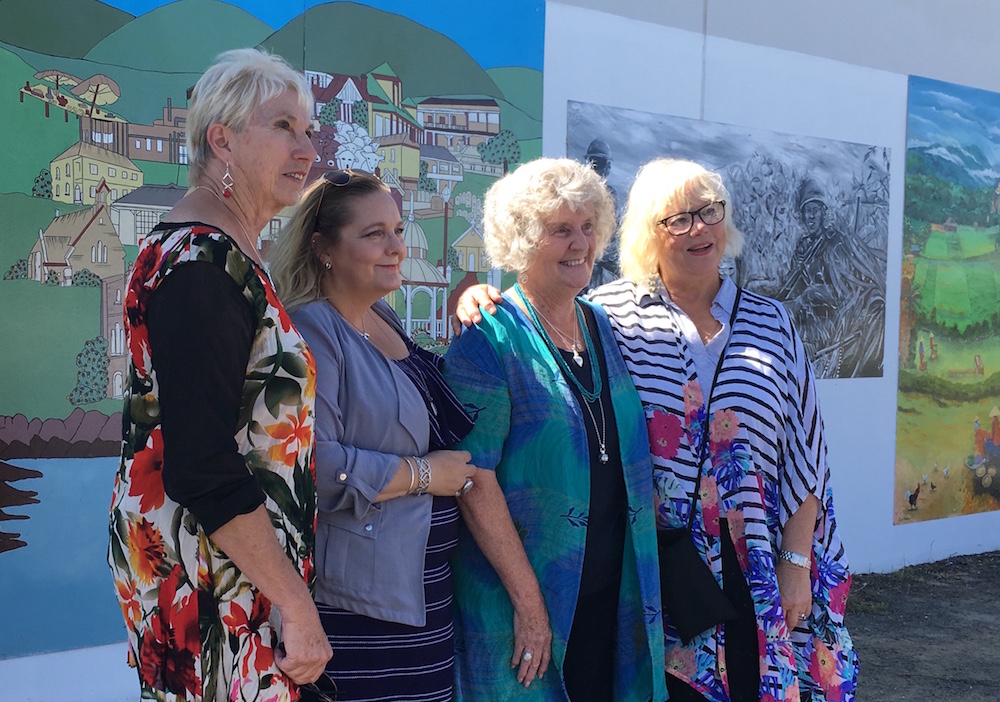
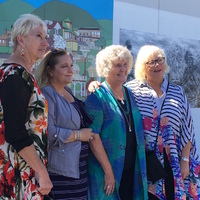 Mural artists Liz, Jodi, Sue & Saakia at Neil Davis Place, Sorell on 1 March 2018 [Melinda Reed]
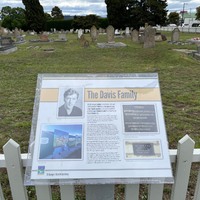 Davis Family sign by Sorell Council at St George's Cemetery, Sorell 2025 [Melinda Reed]